
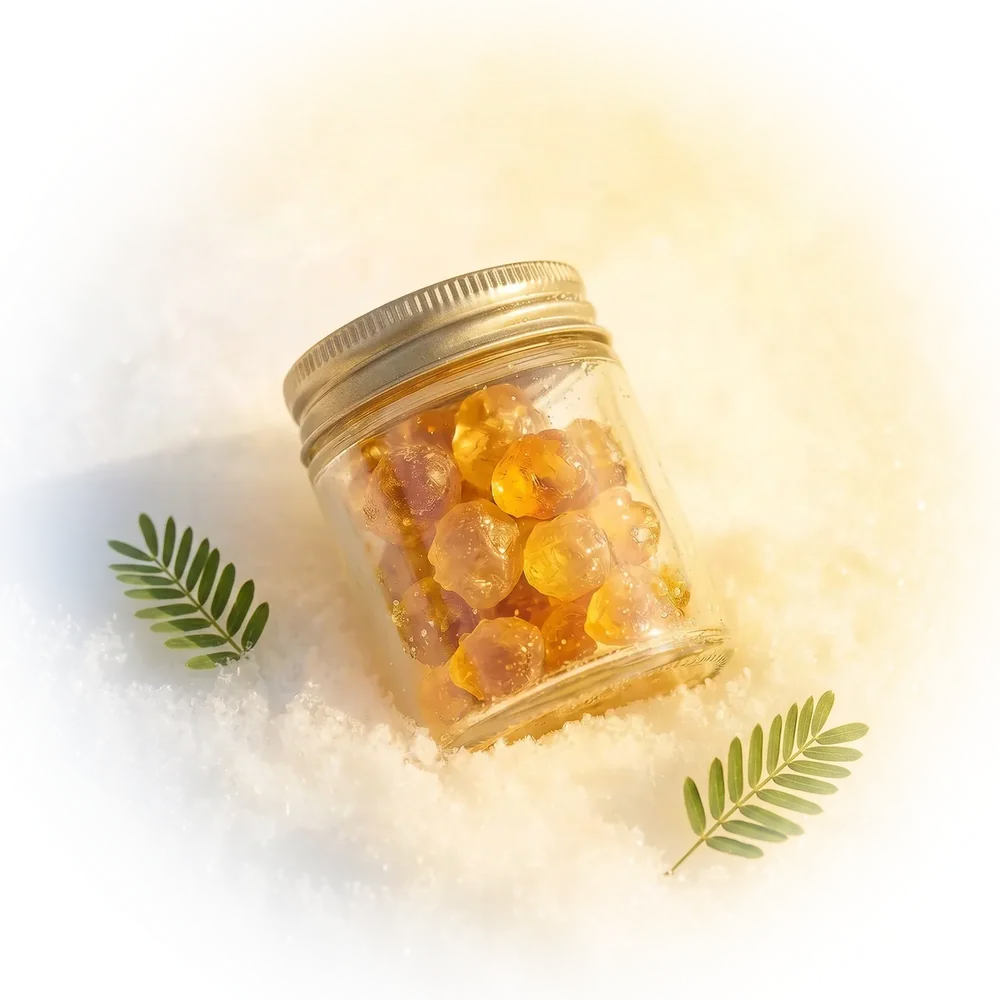

A soluble dietary fibre
Roughly 85% of Arabic gum is soluble fibre, so a drink or a powder can carry fibre without any change in taste, colour or clarity.
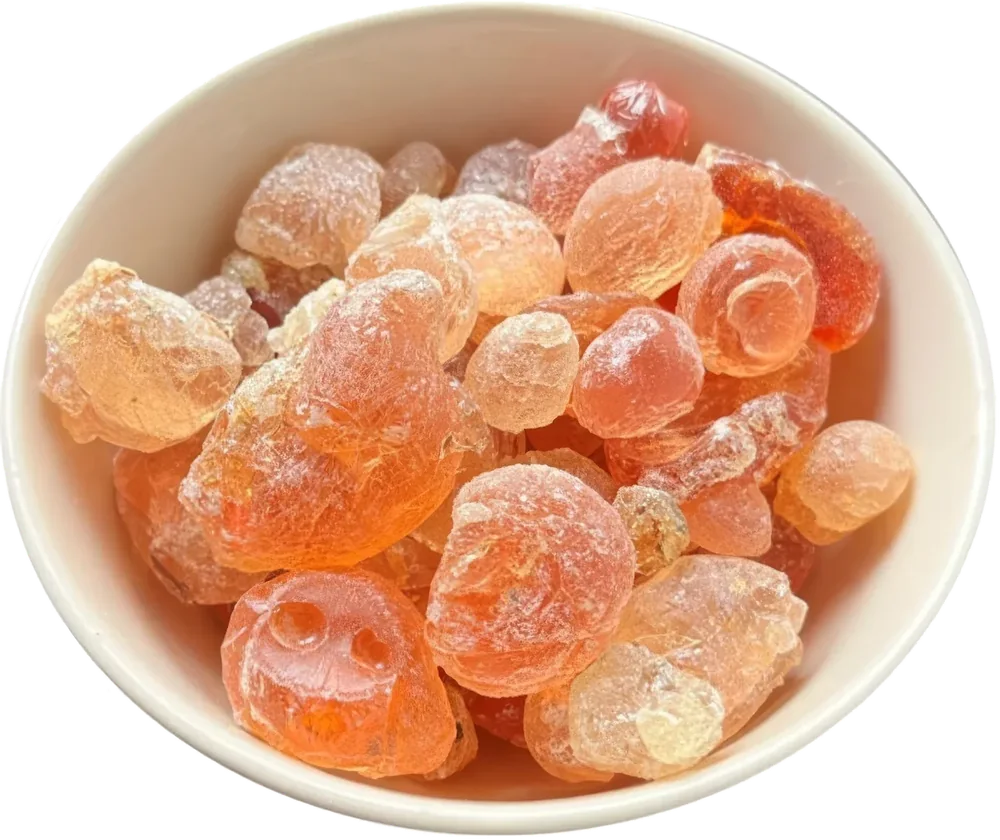
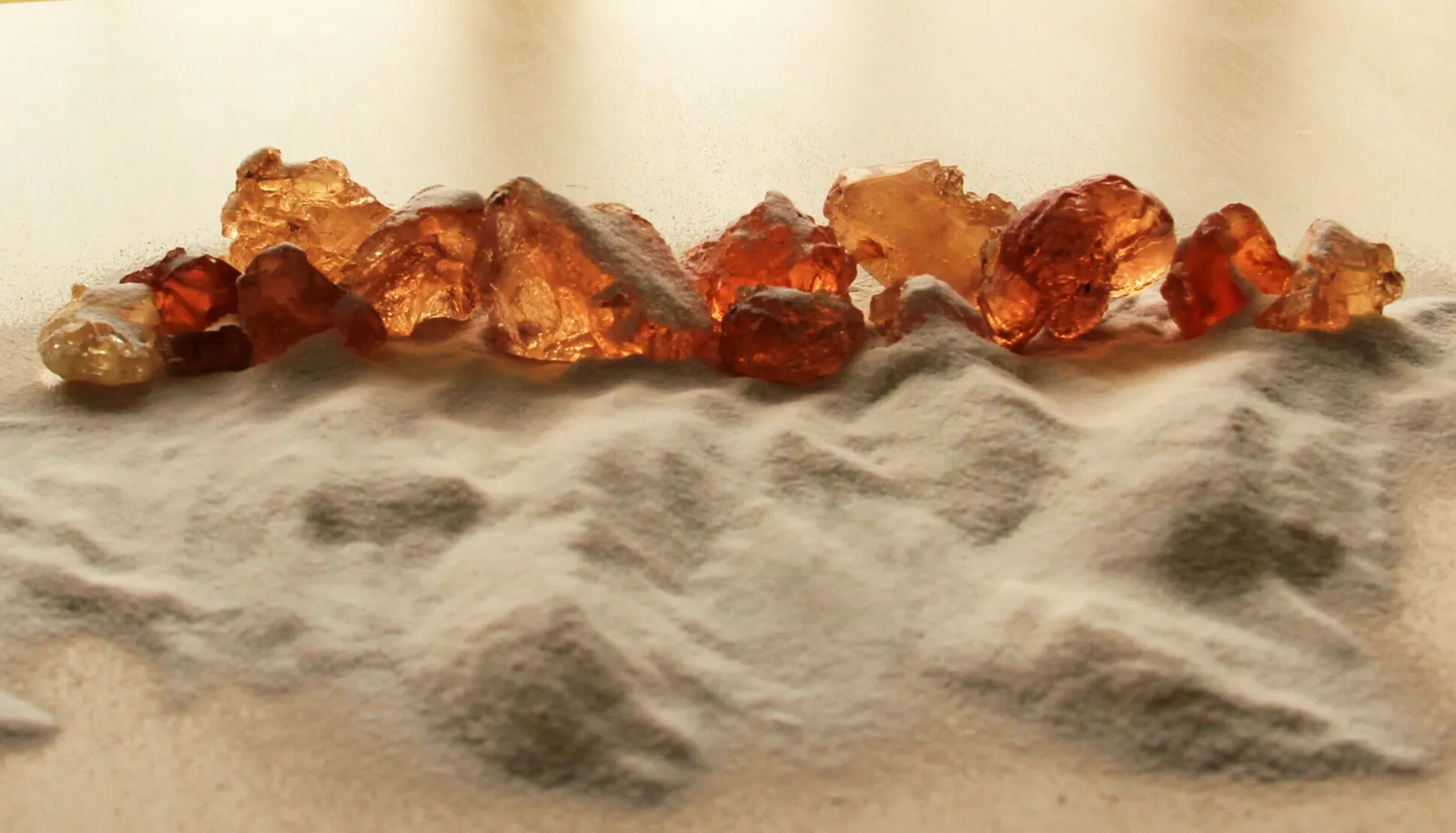
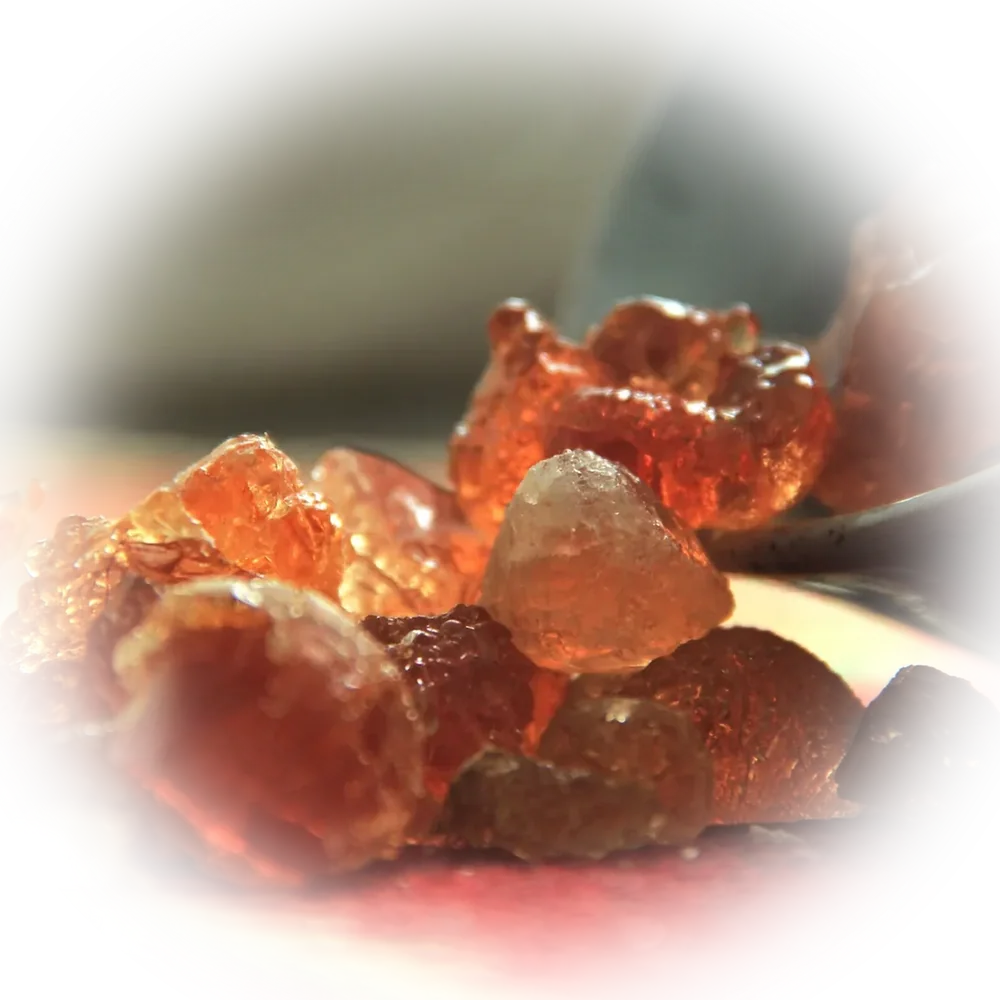
Arabic gum, also called gum arabic or acacia gum, is the dried sap of the Acacia senegal tree (and, on request, Acacia seyal). The tree releases it to seal a wound in its bark, and it hardens into glassy amber nodules. In food law it is additive E414 / INS 414, and it has been in use since ancient Egypt.
What makes it unusual is how much it can do at once. It is roughly 85% soluble dietary fibre, it dissolves in cold water at high concentration without turning the liquid thick, it has almost no taste or colour, and it holds oil droplets and flavour oils in a stable emulsion. Few natural ingredients combine all of that.
We work with Hashab gum from the Sudan gum belt, bought directly at origin, and we clean, grade and mill it ourselves in Rawang, Selangor. You can buy it as whole nodules or as Arabic gum powder milled to 80 mesh as standard, or to the mesh your process needs.
Arabic gum earns its place in a formulation for what it does, not for what it costs. Six properties explain most of its uses across food, beverage, supplement, pharmaceutical and cosmetic products.

Roughly 85% of Arabic gum is soluble fibre, so a drink or a powder can carry fibre without any change in taste, colour or clarity.
Food science classes Arabic gum as a prebiotic, fermentable fibre, which is why it is a common fibre source in supplements and functional foods.
It holds oil in water and keeps flavour oils, colours and clouding agents evenly dispersed, which is what makes it the classic emulsifier for soft drinks and flavour systems.
It dries into a thin, flexible, glossy film, so confectioners use it to coat, glaze and bind, and flavour houses use it to encapsulate volatile oils into powders.
Unlike most gums it dissolves at high concentration while staying pourable, adding mouthfeel and body to a beverage or a gummy without turning it into a gel.
It is the exudate of a tree rather than a synthesised additive; it has no taste of its own and it is declared simply as gum arabic or E414, which suits products with a short ingredient list.
Once the rains end, collectors make a shallow cut in the bark of a mature Acacia senegal tree. The tree responds by exuding sap that seals the wound and hardens in the dry air over the following weeks into tear-shaped nodules.
The hardened tears are picked off the bark by hand, a few weeks after tapping, and again through the season. Nothing is extracted or refined at this stage: the nodule you see is the gum as the tree made it.
The nodules dry in the sun until they are hard and glassy, then they are graded by size and colour. Clean, pale Hashab nodules are the grade we buy, directly in the Sudan gum belt.
At our factory the raw gum is inspected, cleaned of bark and sand and sorted again by colour and purity, so that what goes into the mill is consistent from sack to sack.
The nodules are crushed, ground and sieved into Arabic gum powder. 80 mesh is our standard grind; coarser cuts and finer powders are milled to the specification your process needs. There is no spray drying: our instant grades are granulated.
Where a buyer's specification calls for a lot analysis, it is carried out by an external laboratory recognised by the Malaysian Ministry of Health. The powder is packed in 25 kg food-grade sacks with a 24-month shelf life when kept sealed and dry.
Whole nodules for buyers who mill or dissolve the gum themselves. Arabic gum powder milled to your mesh for beverages, confectionery, supplements and coatings. And granulated instant blends, with or without fruit extracts and probiotic cultures, for finished products.
Everything starts from the same Sudanese Hashab gum and is processed in the same facility, so a powder you sample today comes from the same grade of gum, cleaned and milled the same way, as the tonnes you order later.

Raw material
Whole nodules and granules, cleaned and graded.
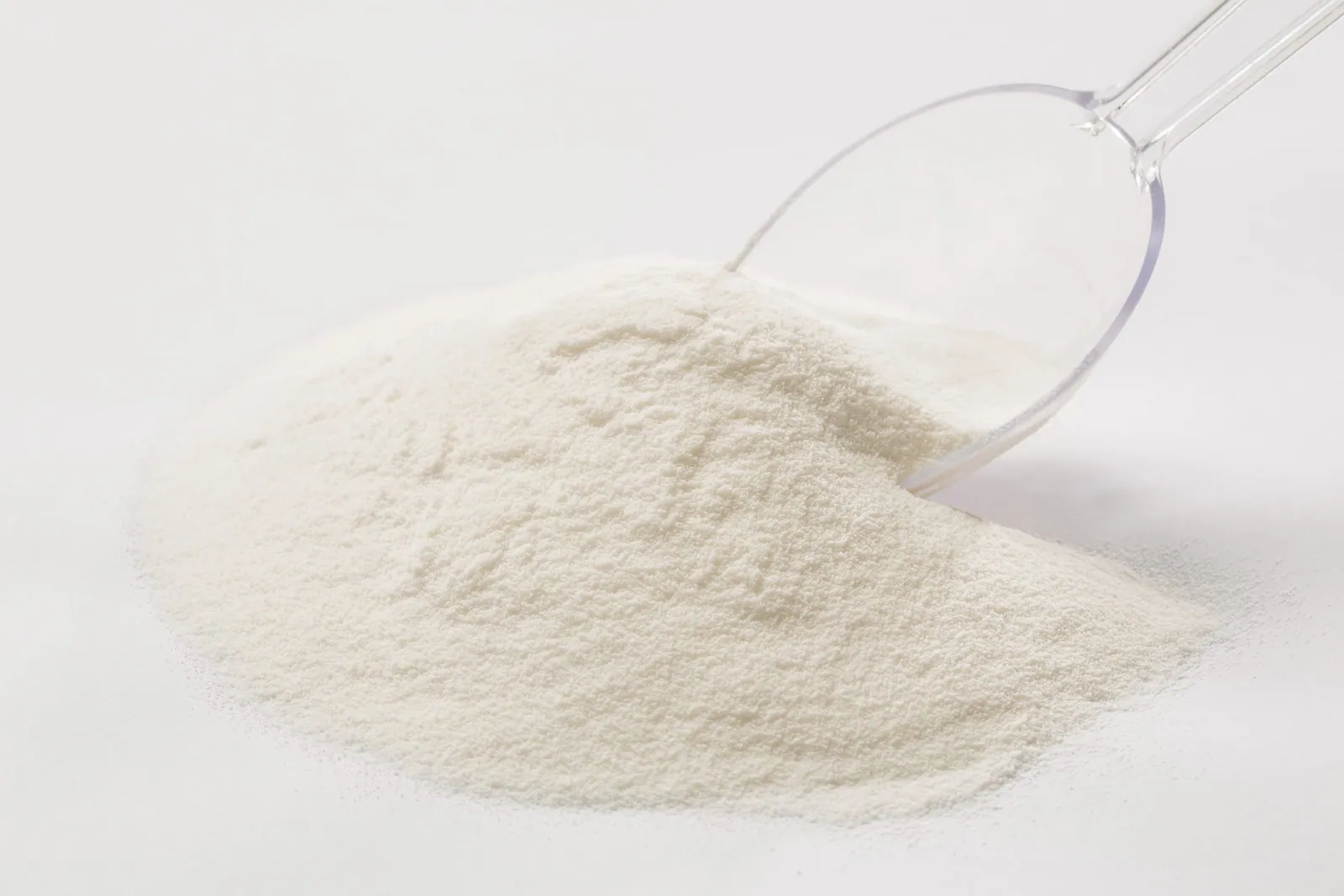
Milled
Milled to your mesh specification.
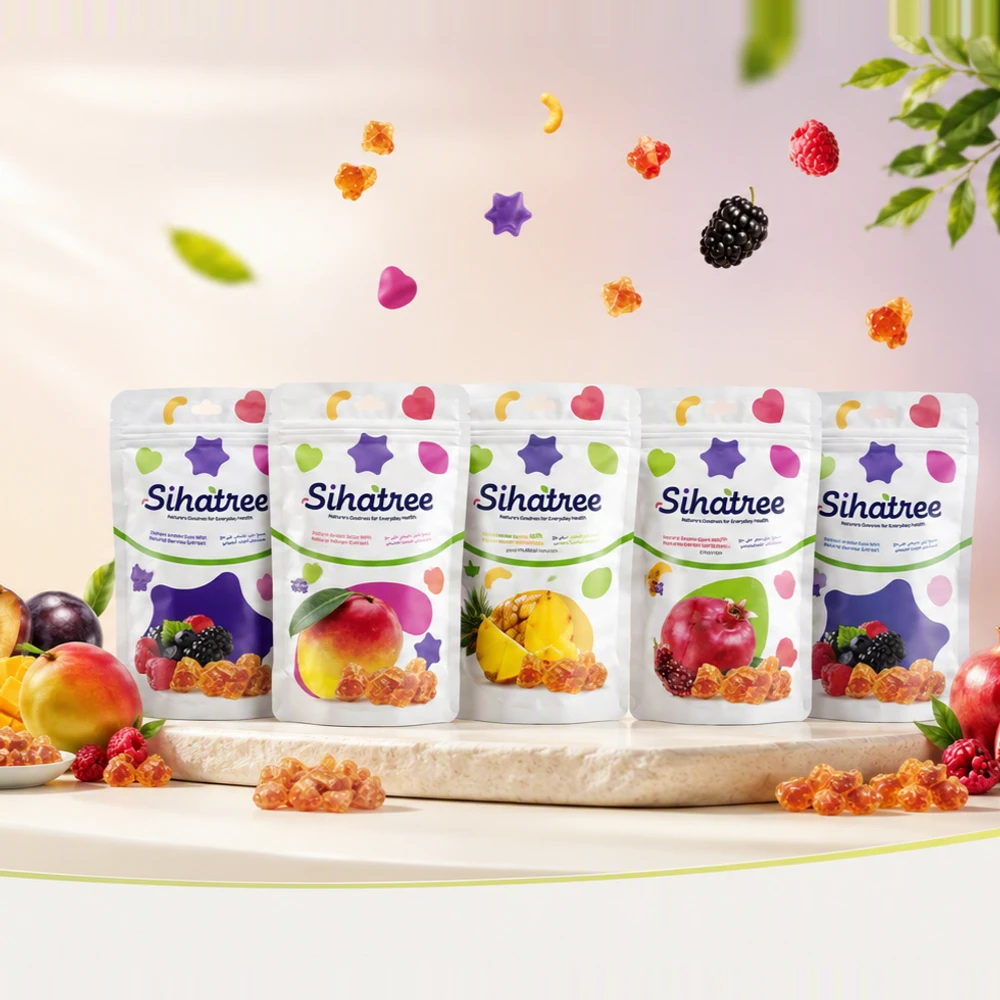
Finished goods
Pure nutrition. Natural balance.
The same nodule, milled the same way, does a different job in each of these.
The classic use: emulsifying flavour and citrus oils in soft drinks and syrups, clouding agents, and adding soluble fibre to juices, waters and powdered drinks without viscosity.
Gummies, pastilles, chewing gum and panned sweets use Arabic gum for texture, for glazing and for controlling sugar crystallisation. Some traditional gum sweets are little more than Arabic gum and sugar.
A fibre source in sachets, capsules and powders, and a carrier for probiotics, vitamins and botanical extracts, because it dissolves cleanly and tastes of nothing.
A binder in tablets, a coating agent, a suspending agent in liquid preparations and an emulsifier in emulsions; it is listed as acacia in the major pharmacopoeias.
A natural film-former and texturiser in skin and hair products, where it leaves a light, flexible film and helps keep a formulation stable.
Watercolour and gouache binder, lithography, adhesives, ceramics and textile finishing all use Arabic gum for the same reason food does: it binds and films and then gets out of the way.
We share specialised insights and information about gum arabic to help companies, manufacturers, and procurement, R&D and quality teams understand this natural ingredient and choose the right solution for their applications.
 Procurement
 What to verify before placing a bulk gum arabic order — origin evidence, grade, specification consistency, documentation, MOQ and Incoterms. A practical qualification checklist for procurement teams.
 Technical
 Hashab and Talha are both sold as gum arabic under E414, but they differ in molecular structure, emulsification performance, colour and price. A technical comparison for formulators and buyers.
 Regulatory
 What Saudi Arabia, the UAE, Qatar, Kuwait, Oman and Bahrain require to clear a gum arabic shipment — regulators, mandatory documents, Arabic labelling rules and the mistakes that hold containers at the port.
Grade, mesh, quantity and the application. We reply within 24 hours with a specification and a price, and a sample can be with you in about a week.