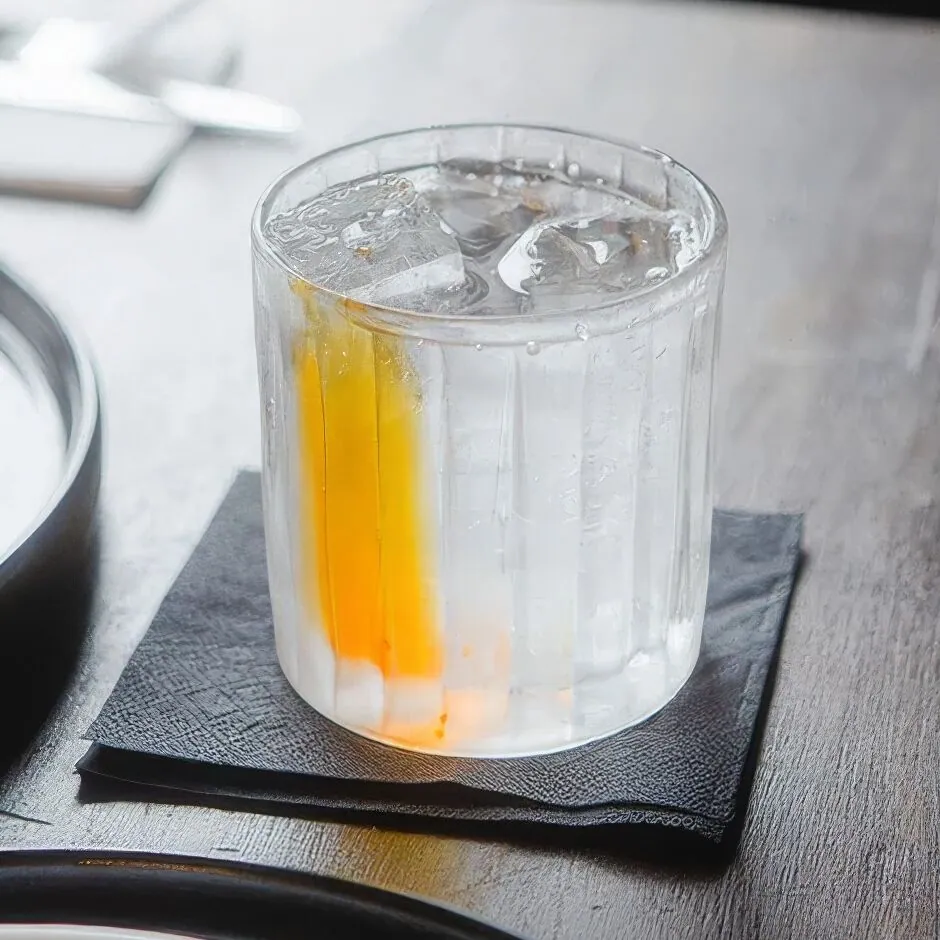
Beverages
The classic use: emulsifying flavour and citrus oils in soft drinks and syrups, clouding agents, and adding soluble fibre to juices, waters and powdered drinks without viscosity.
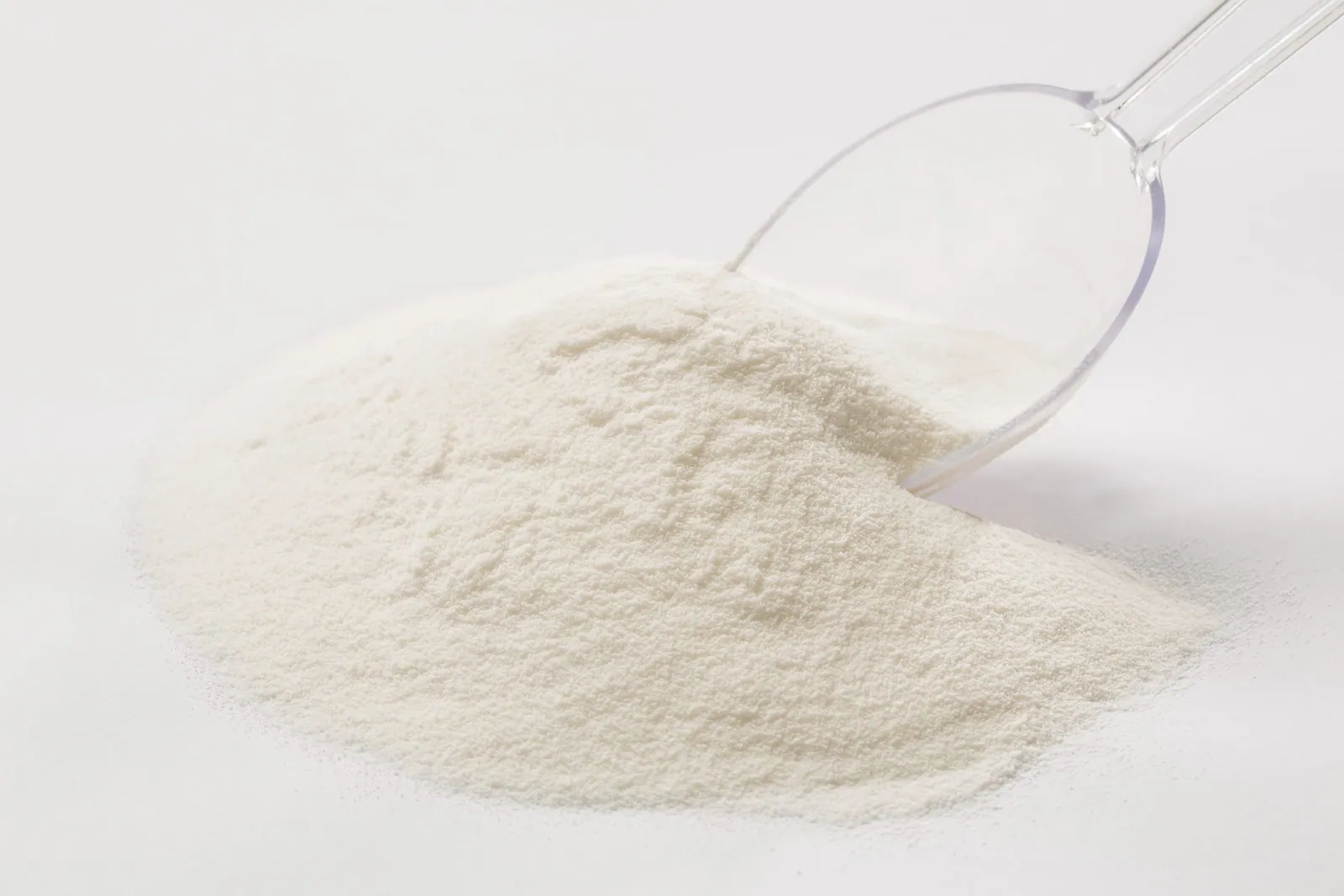
What it does
What the sap of an acacia tree does inside a drink, a sweet, a supplement or a coating.
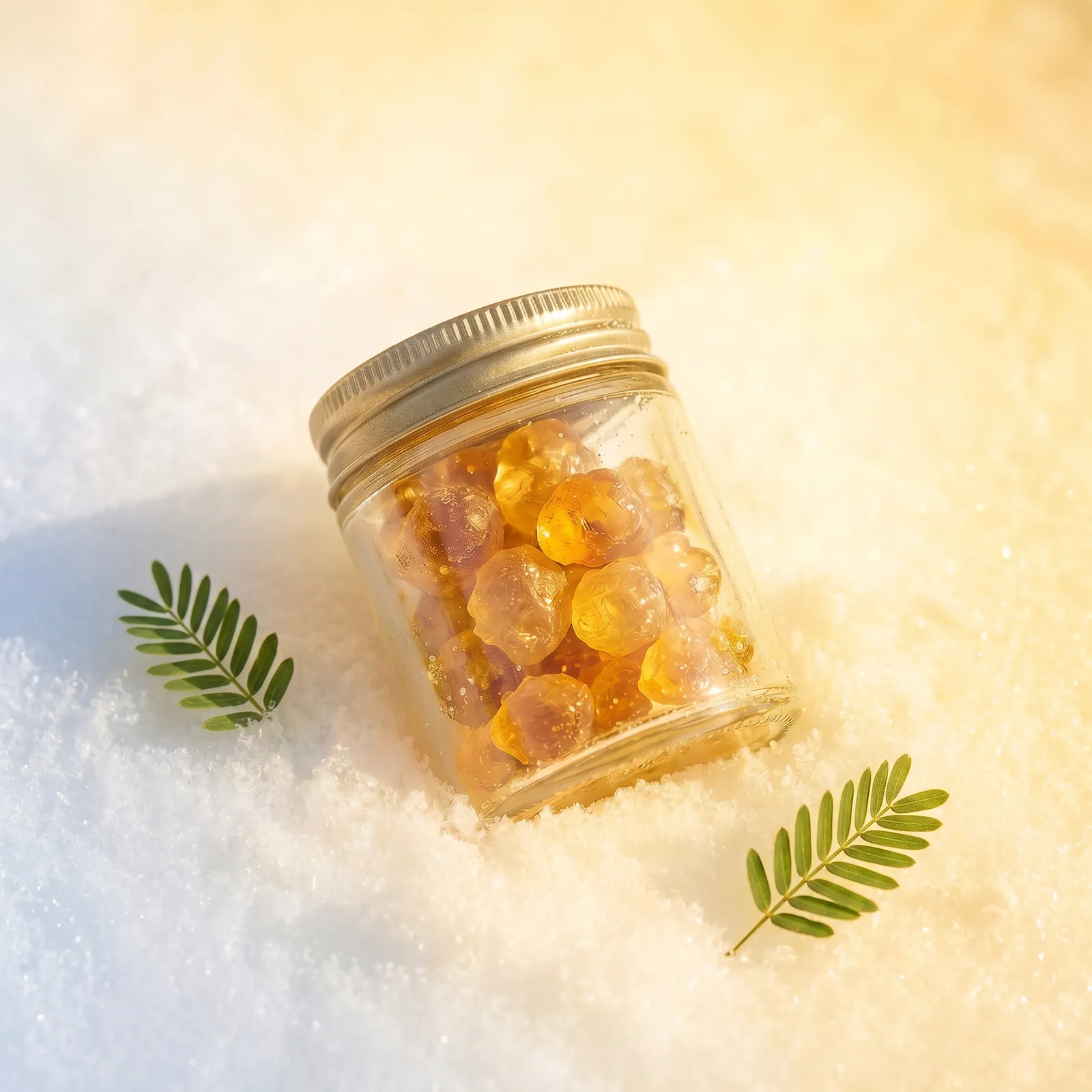
Arabic gum, also sold as gum arabic or acacia gum, is the dried sap of the Acacia senegal tree. It has been in use since ancient Egypt, and modern food science keeps finding the same handful of reasons to use it.
It is mostly soluble fibre, it dissolves in water at high concentration without thickening it, it has very little taste or colour of its own, it holds oil in water, and it dries into a thin flexible film. Each of those properties is a benefit on its own; together they explain why one ingredient turns up in soft drinks, gummies, supplements, tablet coatings and lithography alike.
This page describes what Arabic gum does. It does not make health claims: where a property is described as a food-science classification, that is what it is, and any wording on your own label is for your regulator to decide.
Roughly 85% of Arabic gum on a dry basis is soluble dietary fibre. A drink, a powder or a bar can carry that fibre without any change to taste, colour or clarity, which is hard to achieve with most other fibre sources.
Food science classes Arabic gum as a prebiotic, fermentable fibre: it is not digested in the small intestine and is fermented by the gut microbiota. That is why it is a common fibre source in supplements and functional foods.
Most gums thicken water at a few percent. Arabic gum can be dissolved at far higher concentrations and still pour, which lets a formulator add body, fibre or a carrier without turning the product into a gel.
The protein fraction of the gum anchors to oil droplets while the sugar chains hold them in water, so flavour oils, colours and clouding agents stay evenly dispersed. Soft-drink emulsions have relied on it for generations.
Dried, Arabic gum forms a thin, glossy, flexible film. Confectioners use it to glaze and bind, tablet makers as a coating and binder, and flavour houses spray-dry oils inside it to make stable flavour powders.
It is plant-derived, has almost no taste or odour, and is declared simply as gum arabic, acacia gum or E414. That suits any product with a short ingredient list.
The same nodule, milled the same way, does a different job in each of these.
The classic use: emulsifying flavour and citrus oils in soft drinks and syrups, clouding agents, and adding soluble fibre to juices, waters and powdered drinks without viscosity.
Gummies, pastilles, chewing gum and panned sweets use Arabic gum for texture, for glazing and for controlling sugar crystallisation. Some traditional gum sweets are little more than Arabic gum and sugar.
A fibre source in sachets, capsules and powders, and a carrier for probiotics, vitamins and botanical extracts, because it dissolves cleanly and tastes of nothing.
A binder in tablets, a coating agent, a suspending agent in liquid preparations and an emulsifier in emulsions; it is listed as acacia in the major pharmacopoeias.
A natural film-former and texturiser in skin and hair products, where it leaves a light, flexible film and helps keep a formulation stable.
Watercolour and gouache binder, lithography, adhesives, ceramics and textile finishing all use Arabic gum for the same reason food does: it binds and films and then gets out of the way.

Tell us the application and we will recommend nodules, a mesh or an instant grade, send the specification, and get a sample to you in about a week.